

Chiropractic
Our Chiropractic Experts
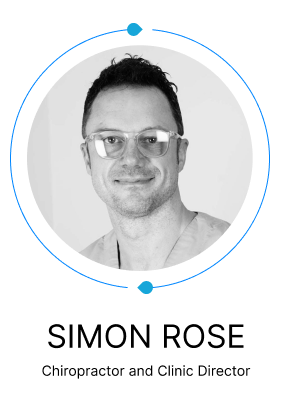
Chiropractor and Clinic Director
MSc (Chiro) DC LRCC CCEP
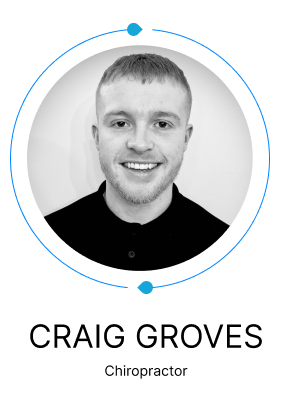
Chiropractor
MChiro DC
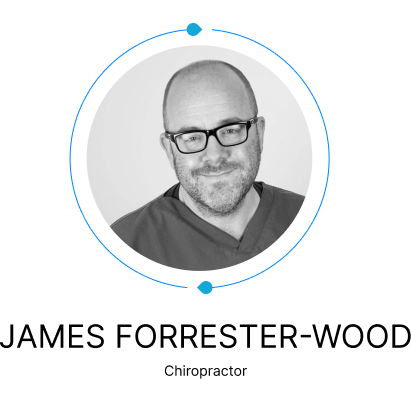
Chiropractor
MSc (Chiro) DC LRCC
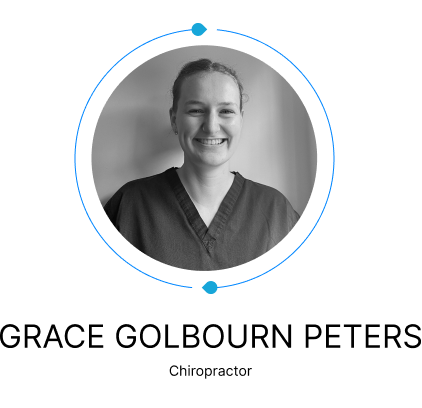
Chiropractor
MChiro DC
Chiropractic in Gloucester
If you are looking for a Chiropractor in Gloucester, you may be wondering why your back hurts, whether it is safe to move and what you can do to help yourself. At Longlevens Chiropractic Clinic, the starting point is an assessment of your symptoms and how they affect your life. The aim is to understand your needs, explain appropriate options and agree practical goals.
Back pain can interrupt work, exercise, sleep and family life. A useful plan considers those difficulties alongside the examination findings. It should also give you a clear idea of what you can do between appointments and when your progress will be reviewed.
Which structures can contribute to back pain?
Your spine is supported by bones, joints, discs, muscles and ligaments, with nerves passing through and out of it. Several structures can contribute to symptoms, and the location of pain alone does not identify the cause.
- Muscles and ligaments: a strain or an unfamiliar amount of activity can leave the back sore. Muscle guarding can also accompany pain without telling us exactly which tissue started the problem.
- Discs: these cushions sit between the vertebrae. A disc bulge or herniation can sometimes irritate a nearby nerve, causing leg symptoms as well as back discomfort. Many disc changes cause no symptoms, so a scan finding needs to be interpreted alongside your history and examination.
- Facet joints: these small joints connect neighbouring vertebrae at the back of the spine and help guide movement. Injury or degenerative changes can make them painful, although symptoms overlap with other back problems.
- Nerves: irritation or compression can cause pain travelling into a limb, pins and needles, numbness or weakness. These symptoms deserve assessment, particularly if they are new or worsening.
Much back pain is described as “non-specific”: a single damaged structure cannot be confidently identified. This does not mean that the pain is imaginary. It means that treatment often focuses on symptoms, function and recovery rather than assigning a precise tissue label.
Does “wear and tear” mean my back is wearing out?
Age-related changes in discs and joints are common in people with and without pain. The phrase “wear and tear” can sound alarming, but it does not by itself tell us how much pain you should have or what you can do. Ordinary bending and everyday movement do not inevitably wear out your spine.
Routine scans are not usually needed for uncomplicated low back pain. If an examination raises concerns, or imaging could change management, your clinician can explain the appropriate next steps. Chiropractic treatment does not put a slipped disc back into place or reverse arthritis.
Everyday habits and lifestyle factors
Back pain rarely has one simple lifestyle explanation. Long periods in one position, an abrupt increase in lifting or training, poor sleep and stressful periods may all be relevant to how symptoms develop or persist. No single sitting posture is perfect for everyone, and having pain does not mean that you have failed to look after yourself.
Consider what has changed recently. Have you started a more physical job, returned to the gym after a break or spent a weekend gardening? Explaining these changes helps your practitioner relate the assessment to the activities you want to get back to.
What happens at a Chiropractic assessment?
Your Chiropractor will ask about the onset and pattern of symptoms, your health history, medicines, previous care and what is difficult now. Tell them about pain travelling into an arm or leg, changes in sensation or strength, and any symptoms that seem unrelated to your back.
The examination is selected for your circumstances and may consider movement, strength and nerve function. You can ask what each part involves and raise any concerns. The findings should lead to an explanation of suitable options, including referral when another service is more appropriate.
Before treatment, discuss the likely benefits, risks, alternatives and costs. Hands-on treatment can cause temporary soreness; more serious complications are uncommon but depend on the technique and your health. You do not have to agree to manipulation, and you can ask about other approaches.
How can Chiropractic care help?
Where appropriate, a plan may combine advice, graded exercise and hands-on approaches such as mobilisation, manipulation or soft-tissue work. For low back pain, NICE recommends considering manual therapy only within a package that includes exercise. The aim is to support activity and function, with progress reviewed rather than assuming that repeated treatment is always necessary.
Useful goals are specific to you: sitting through a journey more comfortably, walking further, lifting at work or returning to a preferred sport. If your symptoms are not improving as expected, the plan should be reconsidered. Different people respond differently, and no treatment can guarantee permanent relief.
Practical changes between appointments
- Vary your day: alternate tasks and positions where possible. A short movement break can be more practical than trying to hold a rigid posture.
- Manage demanding jobs: divide a long session of gardening or DIY into shorter periods, and build up again after time away.
- Make work manageable: discuss temporary adjustments if particular tasks repeatedly aggravate symptoms.
- Choose an achievable routine: agree a small number of exercises that fit your circumstances and ask how to adapt them if symptoms change.
- Track function: note what you can do more easily, as well as changes in pain, so reviews focus on meaningful progress.
Long-term exercise and confidence
For most uncomplicated back pain, staying active is preferable to prolonged bed rest. Walking, swimming or another enjoyable activity can form part of a plan suited to your ability. Strength and mobility exercises can be progressed gradually, with guidance if you are unsure where to start.
A sustainable routine is more useful than a demanding programme that you cannot maintain. Ask your practitioner about the starting level, how to increase it and which symptoms mean you should stop and seek advice. A flare-up can be a reason to adjust the amount of activity; it does not automatically prove that something has been damaged.
When to seek urgent medical help
Call 999 or go to A&E if back pain comes with new bladder or bowel problems, loss of feeling around the genitals or anus, pain or altered sensation affecting both legs, or follows a serious accident. Chest pain also needs emergency assessment. Do not wait for a clinic appointment.
Use NHS 111 or seek urgent GP advice for sudden severe or rapidly worsening pain, especially if you feel unwell or feverish. Persistent symptoms, unexplained weight loss or pain that is worse at night should be discussed with a healthcare professional.
Arrange an assessment in Gloucester
Longlevens Chiropractic & Sports Injury Clinic is at 14 Cheltenham Road, Gloucester, GL2 0LS. We welcome people from Longlevens, Gloucester and surrounding areas. Explore our pages on back pain, sciatica and trapped-nerve symptoms and physiotherapy, or check current fees. Call 01452 309372 if you would like help choosing an appointment.
Further reading: NHS back pain; NHS disc problems; Guy’s and St Thomas’ facet-joint information; Guy’s and St Thomas’ low back pain; IASP back-pain education; NICE low back pain guidance.