

Our Massage Therapists
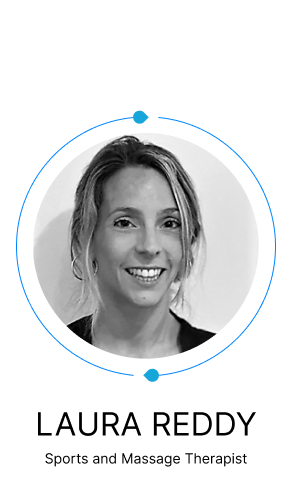
Laura Reddy
Massage Therapist
BSc (Hons) ITEC
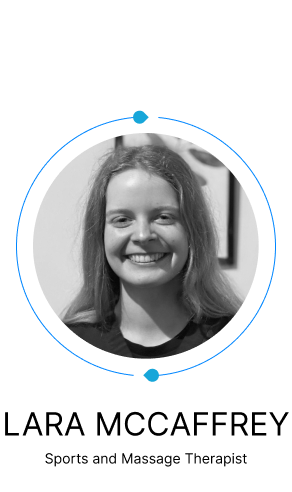
Lara McCaffrey
Massage Therapist
MDip
Massage therapy in Gloucester: sports, deep tissue, remedial and relaxing massage
Massage tailored to your needs
Massage can be a way to address troublesome muscle tension, take time to relax or discuss discomfort related to work and activity. At Longlevens Chiropractic & Sports Injury Clinic in Gloucester, the starting point is what you want help with and whether massage is an appropriate option.
You do not need to play competitive sport to consider sports massage, and a useful session does not have to involve very deep pressure. Tell your therapist about your preferences, previous experiences and the activities you would like to do more comfortably.
Choosing the type of massage
Our website explains relaxation massage, remedial massage and sports massage. These descriptions help you choose a starting point for the conversation; the techniques and pressure should still be adapted to the individual.
- Relaxation massage: discuss a comfortable pace and the areas you would like the session to focus on.
- Remedial massage: discuss a particular muscle or movement concern, how it affects you and whether further assessment is needed.
- Sports massage: discuss training, competition, recovery and the demands of your chosen activity, whether you are a regular participant or returning after a break.
What can massage realistically offer?
Some people find massage helpful for relaxation or short-term relief of muscle-related discomfort. Research suggests that benefits for some neck, shoulder and back pain may be short-lived, and the certainty of the evidence varies. No particular type is established as the best choice for every person.
Massage does not replace an assessment of a new injury, unexplained pain or worsening neurological symptoms. It cannot guarantee injury prevention or faster tissue healing. If an activity repeatedly causes difficulty, it is useful to explore the reasons and an appropriate rehabilitation plan, rather than relying solely on repeated massage.
What happens at an appointment?
Your therapist will want to understand your symptoms, relevant health history and aims for the session. Explain when the problem began, whether it followed an injury and how work, sport or daily activities affect it. Mention investigations, operations, medicines and other treatment.
Before treatment, agree the areas to be worked on and the type of pressure. Ask how clothing and draping will be managed, and say if there is an area you would prefer not to have treated. You can request changes or stop at any time.
A helpful description is often specific: “My shoulders feel uncomfortable after driving” or “My calf is sore after I increased my running distance.” It gives the therapist more information than simply asking for the strongest possible massage.
Does deeper pressure mean better treatment?
The appropriate pressure depends on your comfort, the area being treated and your health. Strong pressure is not a goal in itself. Let your therapist know if you feel sharp pain, pins and needles, numbness or discomfort that makes it difficult to relax.
Some temporary tenderness can follow massage. Severe pain or substantial bruising is not a sign that a treatment has been more effective. If you are concerned about your response, contact the clinic or seek medical advice as appropriate.
- Ease muscle tension
- Support relaxation
- Help with tired or tight muscles
- Support comfortable joint movement
- Ease everyday stress
- Support recovery after activity
Sports massage therapy
Sports massage for activity and recovery
When booking around sport, explain what is coming up: a race, a heavy training week, a return after injury or a period of rest. Mention recent changes in distance, intensity, footwear or the type of activity. This helps make the conversation relevant to your circumstances.
A new or worsening injury may need clinical assessment before massage. The right next step might involve exercise guidance, activity adjustment or referral. Massage should not be used to push through symptoms that make an activity unsafe.
Think about the outcome you want to review afterwards. For example, is a particular movement more comfortable, and does any change last? That is more useful than judging a session by how sore it feels the next day.
Making the most of follow-up
Discuss how you felt after the session and whether anything changed in everyday life. You may decide that an occasional relaxation appointment suits you, that a short course needs review or that a different approach would be more helpful. The decision should reflect your goals, response and budget.
Ask for a clear explanation of any suggested aftercare. If an exercise or activity change is recommended, check how often to do it, how to progress and when to seek further advice. No single appointment replaces the wider work of building a manageable routine.
Massage therapy and chiropractic
Massage therapy and chiropractic care
These services can address different aspects of a muscle or joint concern. Where appropriate, massage may be one part of a plan that also includes exercise and practical advice. NICE recommends that manual therapy for low back pain, including massage, be considered only as part of a package that includes exercise.
At Longlevens, you can ask whether Chiropractic care or physiotherapy is more appropriate for the problem you describe. There is no automatic need to book several different treatments. Any recommendation should have a clear purpose and a way of reviewing progress.
When to discuss suitability before booking
Contact the clinic first if you have a recent operation or fracture, a bleeding disorder, take blood-thinning medicines, have fragile bones, a skin infection or a history of blood clots. Mention pregnancy and any significant medical condition so the therapist can assess whether treatment needs adapting or medical advice is required.
Massage generally has a low risk of harm when appropriately provided, but rare serious complications have been reported, particularly with vigorous techniques or in people at higher risk. Your medical history matters when deciding what is suitable.
A newly swollen, painful limb, chest pain, breathlessness or sudden weakness needs medical assessment rather than a massage appointment. Seek urgent help for severe or rapidly worsening symptoms.
Book massage in Gloucester
Longlevens Chiropractic & Sports Injury Clinic is at 14 Cheltenham Road, Gloucester, GL2 0LS. Meet our therapists on the Team page, see current massage fees or call 01452 309372 for help choosing an appointment.
Further reading: NCCIH massage evidence and safety; NCCIH practical considerations; NICE low back pain guidance.